Top Interior Design Trends Shaping Modern Homes
- theboyshostelintl
- Sep 22, 2025
- 3 min read

Modern homes are evolving rapidly, reflecting new lifestyles, technologies, and aesthetics. Staying updated with the latest modern home design trends can help you create a space that is both stylish and functional. This blog post explores some of the most influential trends shaping contemporary interiors today. Whether you are planning a renovation or simply want to refresh your living space, these insights will guide you toward a home that feels current and inviting.
Embracing Natural Elements in Modern Home Design Trends
One of the most significant shifts in modern home design trends is the integration of natural elements. Homeowners are increasingly drawn to materials and colors that bring the outdoors inside. This trend promotes a sense of calm and connection with nature, which is especially valuable in urban environments.
Wood finishes: Light and medium-toned woods are popular for flooring, furniture, and accent walls. They add warmth and texture without overwhelming the space.
Stone and marble: These materials are used in countertops, backsplashes, and even flooring to create a luxurious yet organic feel.
Indoor plants: Incorporating greenery is a simple way to enhance air quality and add life to any room. Large potted plants or hanging planters work well in living rooms and kitchens.
Practical tip: Choose sustainable and locally sourced materials to support eco-friendly design practices.

Key Features of Modern Home Design Trends
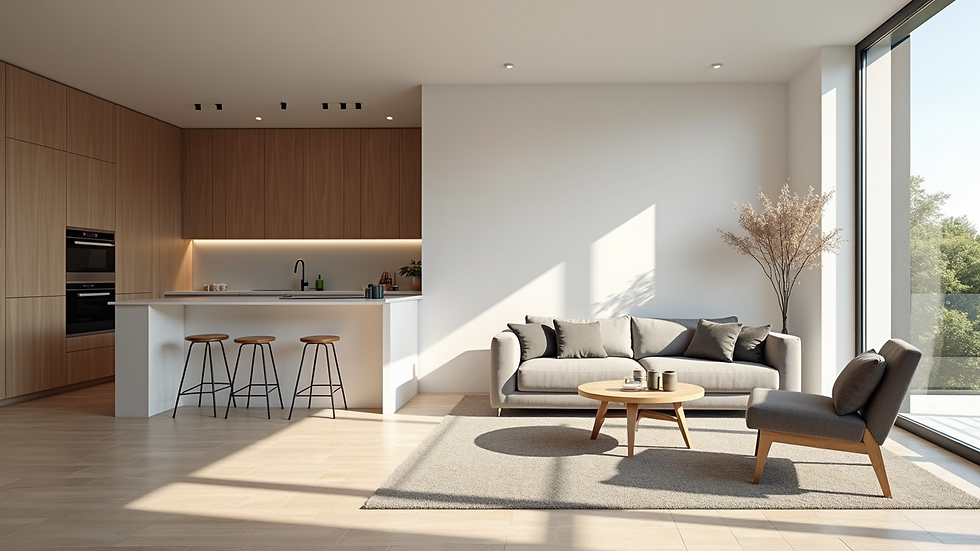
Modern home design trends focus on simplicity, functionality, and clean lines. Here are some key features that define this style:
Open floor plans: Spaces flow seamlessly from one area to another, promoting social interaction and flexibility.
Neutral color palettes: Whites, greys, and earth tones dominate, creating a calm backdrop that allows furniture and decor to stand out.
Minimalist furniture: Pieces with sleek profiles and minimal ornamentation help maintain an uncluttered look.
Smart home integration: Technology is subtly incorporated to enhance convenience, such as automated lighting, climate control, and security systems.
For example, a modern kitchen might feature handleless cabinets, quartz countertops, and built-in appliances that blend into the cabinetry. This approach maximizes space and maintains a streamlined appearance.
What is the 70/30 Rule in Interior Design?
The 70/30 rule is a simple guideline to balance colors and textures in a room. It suggests that 70% of the space should be covered with neutral or base colors, while the remaining 30% can be used for accents and bold elements.
70% base: Walls, large furniture pieces, and flooring usually fall into this category. These elements create a cohesive and calming environment.
30% accents: This includes throw pillows, rugs, artwork, and smaller furniture items. These accents add personality and visual interest.
Applying this rule helps avoid overwhelming the senses while allowing creativity to shine through. For instance, a living room with soft grey walls and a beige sofa (70%) can be enlivened with vibrant cushions and a patterned rug (30%).
Incorporating Sustainable and Eco-Friendly Materials
Sustainability is no longer just a buzzword; it is a core consideration in modern home design. Using eco-friendly materials not only benefits the environment but also improves indoor air quality and durability.
Recycled and reclaimed wood: These materials reduce waste and add unique character to furniture and flooring.
Low-VOC paints: Volatile organic compounds (VOCs) can be harmful; choosing low-VOC or zero-VOC paints promotes healthier living spaces.
Natural fibers: Rugs, upholstery, and curtains made from cotton, wool, or jute are biodegradable and often more comfortable.
Actionable advice: When shopping for materials, ask suppliers about their sourcing and environmental impact. Certifications like FSC (Forest Stewardship Council) can guide you toward responsible choices.

How to Personalize Your Space with Modern Design
While modern design emphasizes simplicity, personalization is key to making a house feel like home. Here are some ways to add your unique touch without compromising the clean aesthetic:
Artwork and photography: Choose pieces that resonate with your personality and complement the color scheme.
Textured fabrics: Incorporate cushions, throws, and curtains with interesting textures to add depth.
Statement lighting: A bold pendant light or sculptural lamp can serve as a focal point.
Mix of old and new: Blend vintage or heirloom pieces with contemporary furniture for a curated look.
Remember, the goal is to create a space that reflects your lifestyle while embracing the principles of modern design.
Exploring More Interior Design Trends
For those interested in diving deeper into the world of interior design trends, there are many resources and communities online that offer inspiration and practical advice. Keeping up with these trends can help you make informed decisions and stay ahead in your home design journey.
By understanding and applying these modern home design trends, you can transform your living space into a stylish, comfortable, and sustainable environment. Whether you prefer natural materials, minimalist layouts, or personalized accents, the key is to create harmony and functionality that suit your daily life.


Comments